Silver jewellery tarnishes over time — that is not a defect, it is chemistry. Silver reacts with sulphur compounds from the air, from cosmetics and even from your own perspiration. Silver sulphide forms, a dark layer on the surface.
The good news: this layer sits only on the outside. With the right household remedies it is gone in a few minutes — and your jewellery looks as it did on the first day.
First: what material do you have?
Before you start, take a moment to check what you are dealing with. That decides the method:
- Solid silver (925 / sterling silver): Tolerates all the methods listed here.
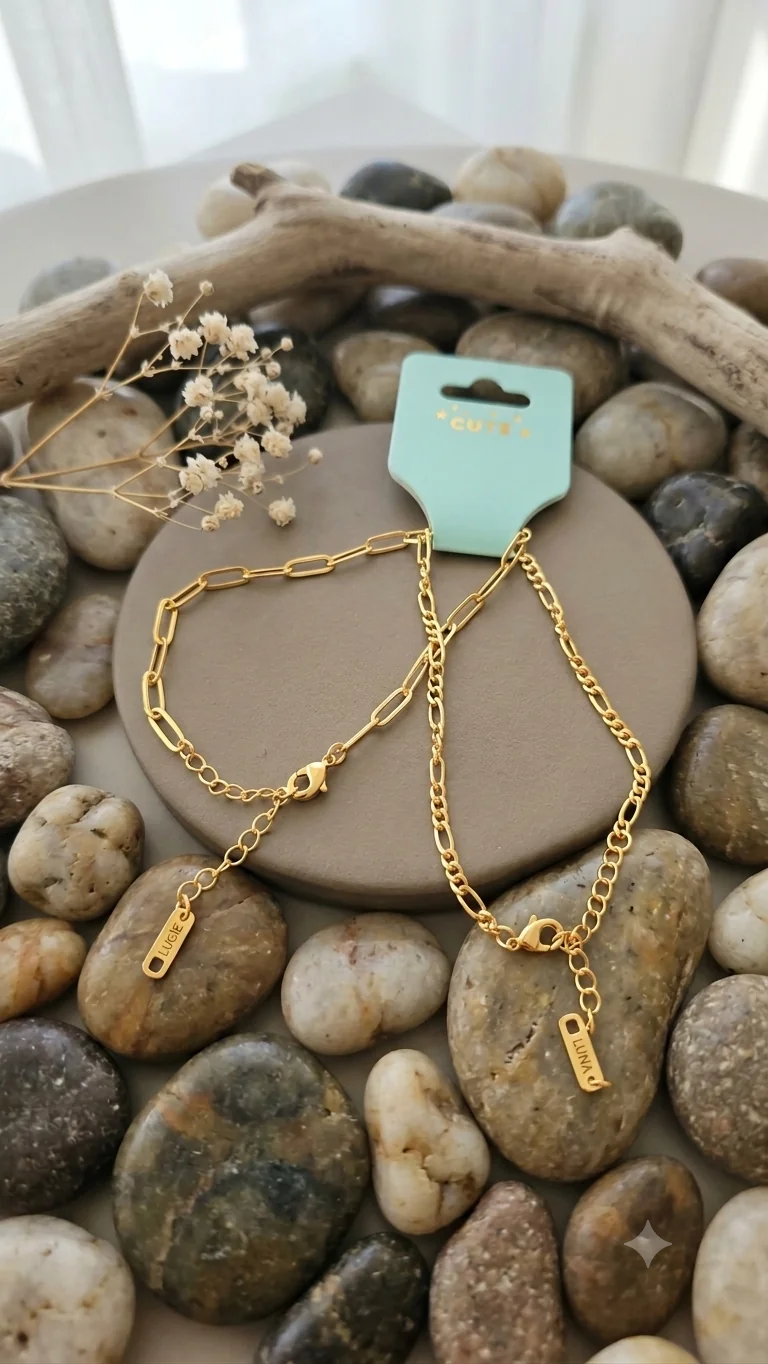
- Silver-plated or gold-plated: Gentle cleaning only — the coating is wafer-thin.
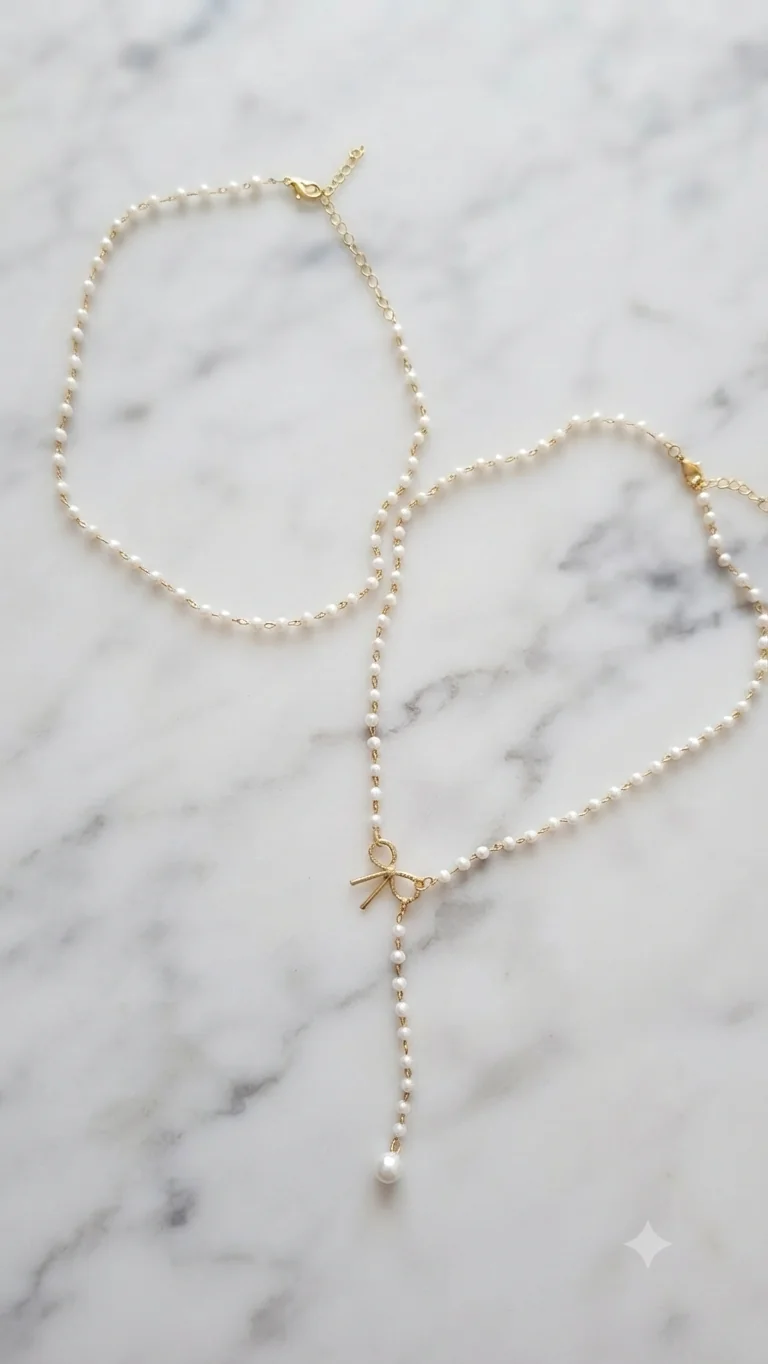
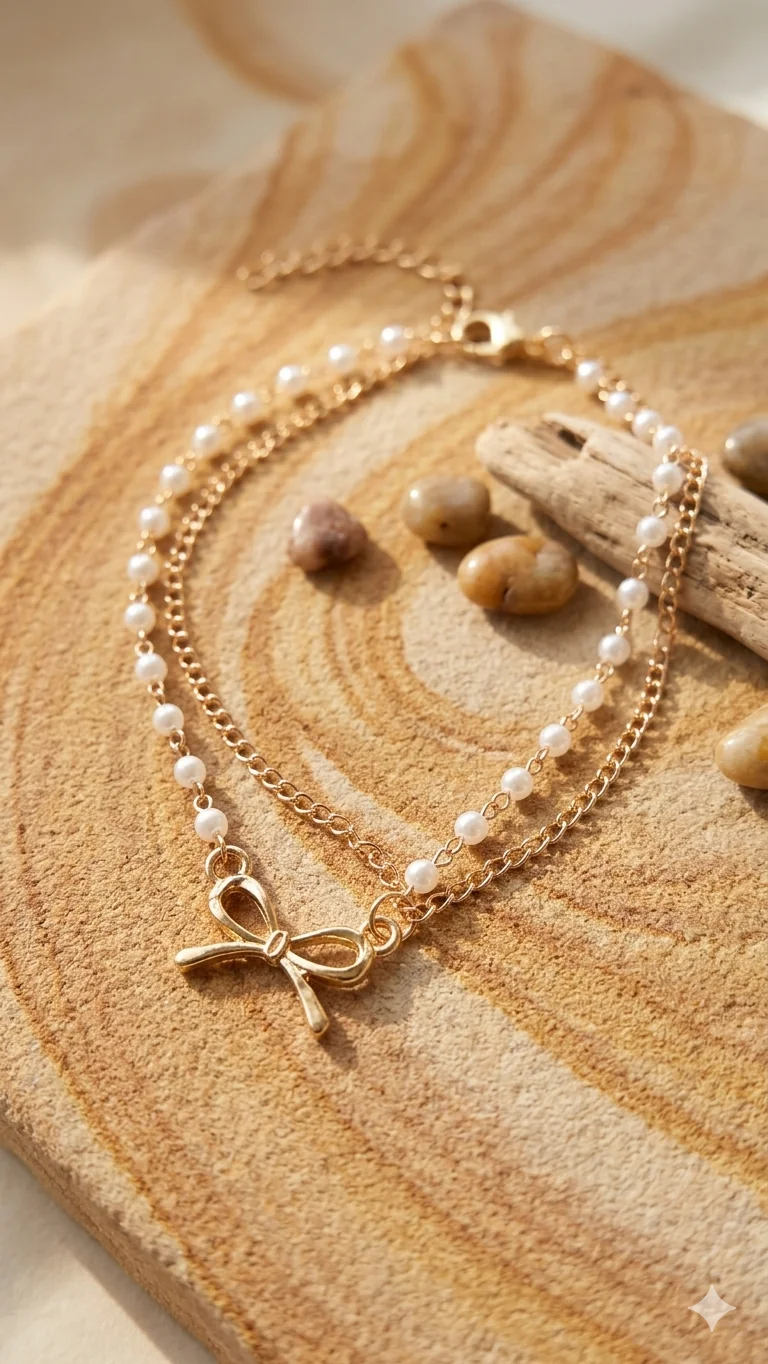
- With pearls, natural stone or enamel: No acid, no bicarbonate of soda, no ultrasound.
- Blackened areas as part of the design: Careful — polishing too thoroughly removes the intended effect.
When in doubt the rule is always: start with the mildest method and work up.
1. Bicarbonate of soda and aluminium foil — the classic
The most effective method for solid silver, and it needs no rubbing at all.
- Place a piece of aluminium foil shiny side up in a bowl.
- Add two tablespoons of bicarbonate of soda.
- Pour hot (not boiling) water over everything.
- Place the jewellery in so that it touches the foil.
- After five to ten minutes take it out, rinse clean, pat dry.
Why this works: An electrochemical reaction takes place between the aluminium and the silver. The sulphur migrates from the silver to the aluminium — the foil turns dark, the silver bright again. Unlike polishing, you remove no material in the process.
2. Mild washing-up liquid — for regular care
Lukewarm water, a drop of washing-up liquid, a soft toothbrush. Clean gently, rinse thoroughly, dry immediately. That is enough for most everyday care and is the gentlest option of all — also suitable for gold-plated jewellery.
3. Toothpaste for individual spots
Put a pea-sized amount of white toothpaste without abrasive particles or whitening additives on a soft cloth and polish carefully. Rinse thoroughly afterwards.
Good for smooth surfaces, unsuitable for filigree patterns — the paste lodges in the gaps.
4. Citric acid for heavy tarnish
Dissolve a teaspoon of citric acid in half a litre of warm water, place the jewellery in it for no more than two minutes, rinse clean.
Do not use on pearls, natural stones, enamel or coated jewellery — the acid attacks these materials.
5. Baking powder paste for stubborn spots
Mix baking powder with a few drops of water to form a paste, apply with your finger, leave briefly, rinse off. Slightly more abrasive than plain bicarbonate solution — so use only on solid silver.
6. Polishing cloth for the finishing touch
An impregnated silver polishing cloth removes light traces of tarnish and brings a high shine. It is excellent for finishing after the bicarbonate bath and costs only a few euros. Important: do not wash it out, otherwise it loses its effect.
7. Potato water — the insider tip
Let the cooking water from potatoes cool and soak the jewellery in it for half an hour. The starch it contains has a mild cleaning effect. It sounds unusual, but it works — and costs nothing at all.
What to avoid
- Undiluted vinegar essence: Too aggressive, attacks soldered joints.
- Scouring agents or steel wool: Scratches the surface permanently.
- Ultrasonic cleaners with stones: Can loosen settings and damage pearls.
- Leaving jewellery lying wet: Encourages exactly the marks you wanted to remove.
How to stop silver tarnishing in the first place
Prevention is easier than cleaning. Four habits make the biggest difference:
- Store dry and airtight: A resealable pouch slows the reaction with the air considerably. A piece of chalk in the jewellery box also absorbs moisture.
- Put it on last: Cream, perfume and hairspray first — then the jewellery. Cosmetics often contain sulphur compounds.
- Take it off before water: Showering, the swimming pool and sport are better without. Chlorine is particularly aggressive.
- Wear it regularly: It sounds paradoxical, but it is true — contact with the skin keeps silver bright.
Rule of thumb: the more delicate the material, the milder the method. Always start with water and washing-up liquid — in most cases that is entirely sufficient.
Frequently asked questions
How often should I clean silver jewellery?
With regular wear, a mild cleaning every four to six weeks is enough. Jewellery that lies in a drawer for a long time tarnishes faster — here airtight storage is worth more than frequent cleaning.
Can I clean gold-plated jewellery in the same way?
No. The gold layer is often only a few micrometres thick. Use only lukewarm water with mild washing-up liquid and a soft cloth — no bicarbonate of soda, no acid, no polishing.
My jewellery has pearls — what now?
Pearls tolerate neither acid nor a longer water bath. Wipe them after wearing with a soft, slightly damp cloth. You can carefully treat the silver parts separately without immersing the pearls.
Does toothpaste really help?
Yes, but only to a limited extent. It works through light abrasion — so it removes the tarnish layer mechanically. Over time that wears the material away. Fine for occasional use on smooth surfaces, not recommended as a standard method.